What is Bridge Power?
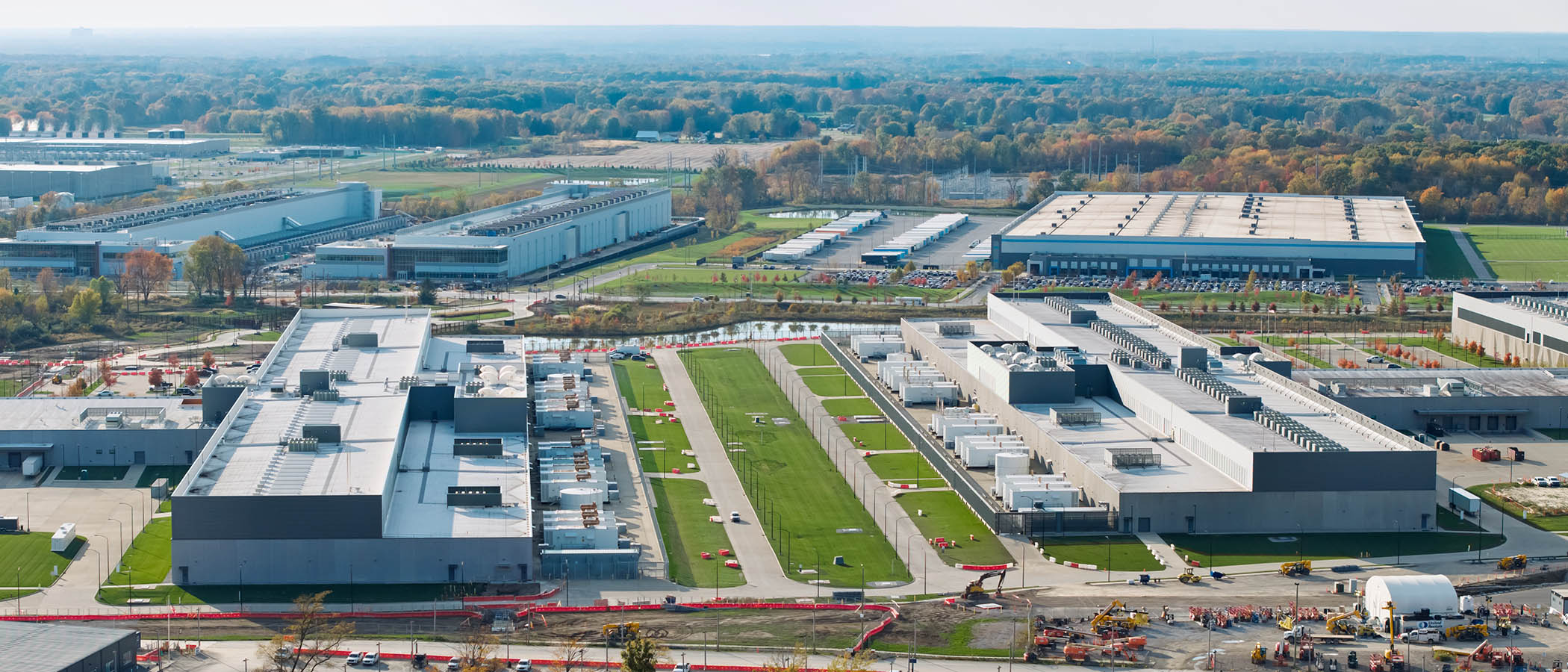
Bridge power is temporary on-site electrical generation that supplies a facility between construction completion and full utility grid interconnection. For a data center, it allows a finished site to begin operating before permanent grid power is available, closing the gap created by utility interconnection delays that can extend from months to several years.
Bridge power is commonly used to:
- Support commissioning, partial energization, early energization, and staged load ramping
- Work around grid capacity constraints, substation limitations, and utility interconnection delays
- Allow operations to begin before permanent utility service is available
- Run on one or more fuels, including propane, diesel, compressed natural gas (CNG), and liquefied natural gas (LNG), to maintain reliable power through the interim period
For hyperscale, colocation, and industrial data center projects, bridge power is most valuable when speed to first operation matters. It reduces time-to-power and keeps a project moving when grid or substation capacity is not yet available.
Temporary Power and Microgrids
Temporary power for data centers is the non-permanent energy supply that supports a facility before full utility service is available. It can take the form of mobile generators, modular generation systems, or microgrids that combine multiple fuels for staged support.
In a bridge power context, a microgrid is a self-contained generation and distribution system that can run a facility independently of the utility grid. Propane, natural gas, and diesel can each serve as a prime power source for continuous on-site load, and combining fuels adds redundancy and supports staged load ramping during utility interconnection delays.
Temporary power and microgrids are commonly used to support:
- Commissioning and partial energization
- Early operations before full utility service
- Phased expansion of hyperscale campuses and industrial facilities
- Cloud, colocation, and AI data center deployments
Example: West Texas CNG Microgrid
A long-term customer running a 2.1 MW production facility in West Texas moved from diesel to compressed natural gas supplied by Pico, and cut annual fuel costs by $1.6 million. At roughly 330 Mcf per day of CNG, the switch freed up capital for higher-priority work while meeting the customer’s sustainability targets.
The project ran at 2.1 MW, but the fuel logistics behind it are the same ones that scale to multi-MW bridge power for hyperscale data center sites nationwide. The principle holds at every size: the right fuel strategy, reliably delivered, lowers cost and protects uptime.

Fuel Logistics and
Multi-Fuel Capability
Pico backs your bridge power with full-service multi-fuel logistics:
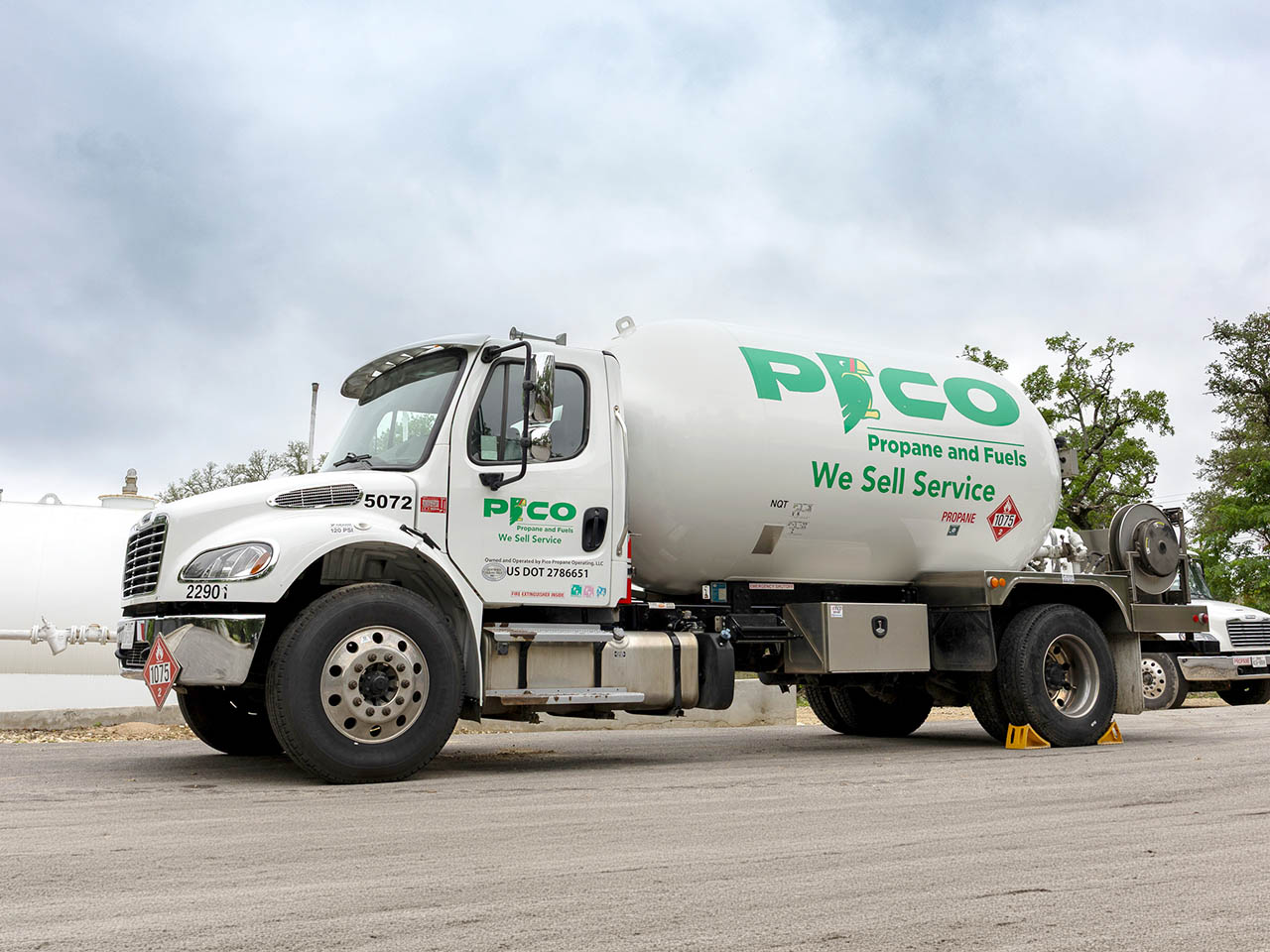
- Propane: more than 54 million gallons delivered annually
- Diesel and unleaded: more than 66 million gallons distributed nationwide each year
- Compressed natural gas (CNG): national deployment capability
- Liquefied natural gas (LNG): virtual pipeline support for rapid deployment
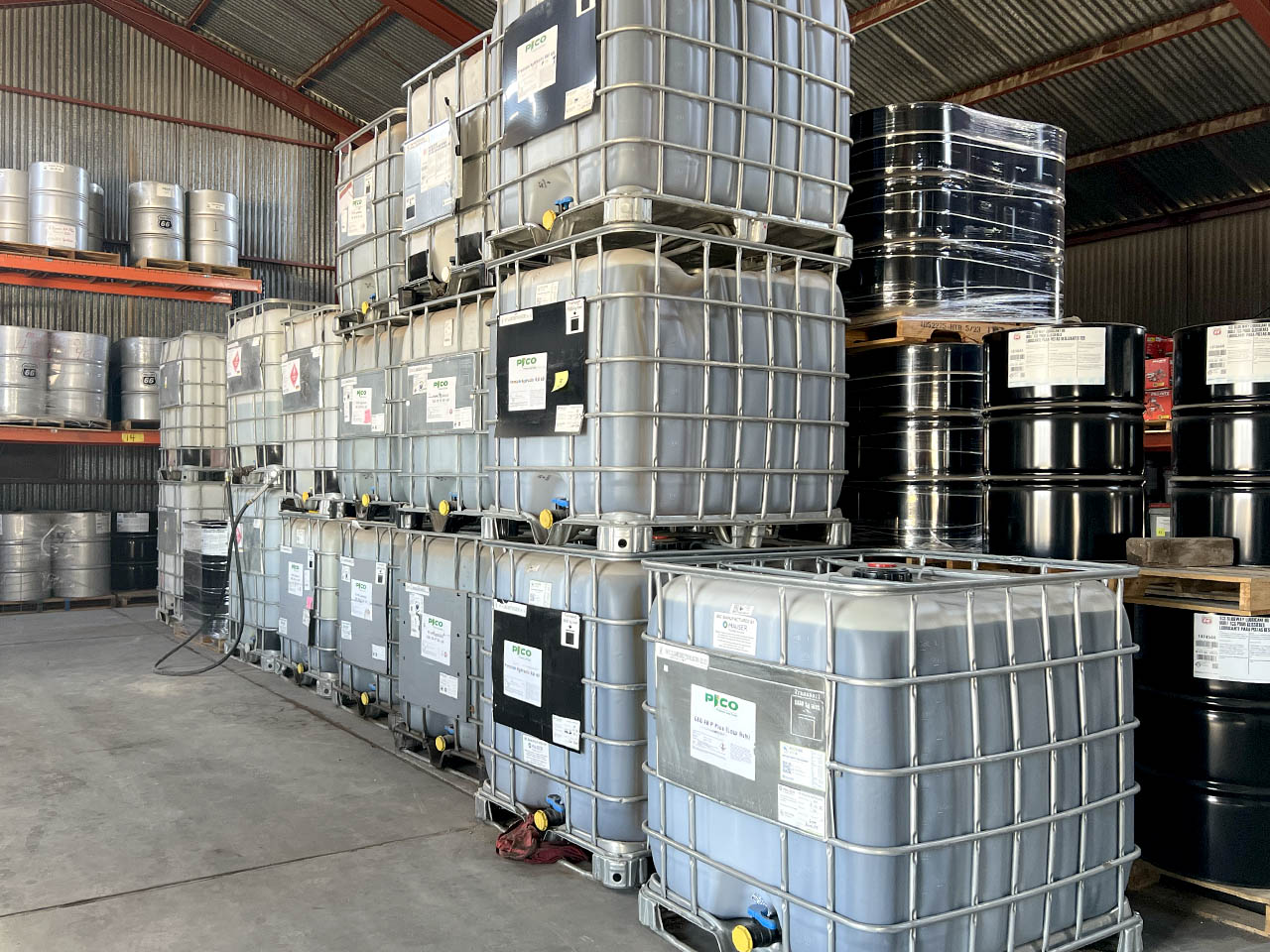
Behind that supply sits the equipment to stage and deliver it: 1,000-gallon propane tanks, 10,000-gallon slick-bottom tanks, skids, portapacks, and CNG trailers, moved by a fleet of more than 860 units and supported by over 500 locally staffed employees. That combination lets us deploy multi-fuel bridge power quickly and keep modular microgrid operations supplied.
Safety underpins every delivery. Our crews are trained for continuous fuel delivery to mission-critical loads, follow strict emergency response protocols, and work to rigorous health, safety, and environmental standards. You can read the full detail of our HSE program and field execution on our Natural Gas Solutions page.
Fuel Assets and
Modular Equipment
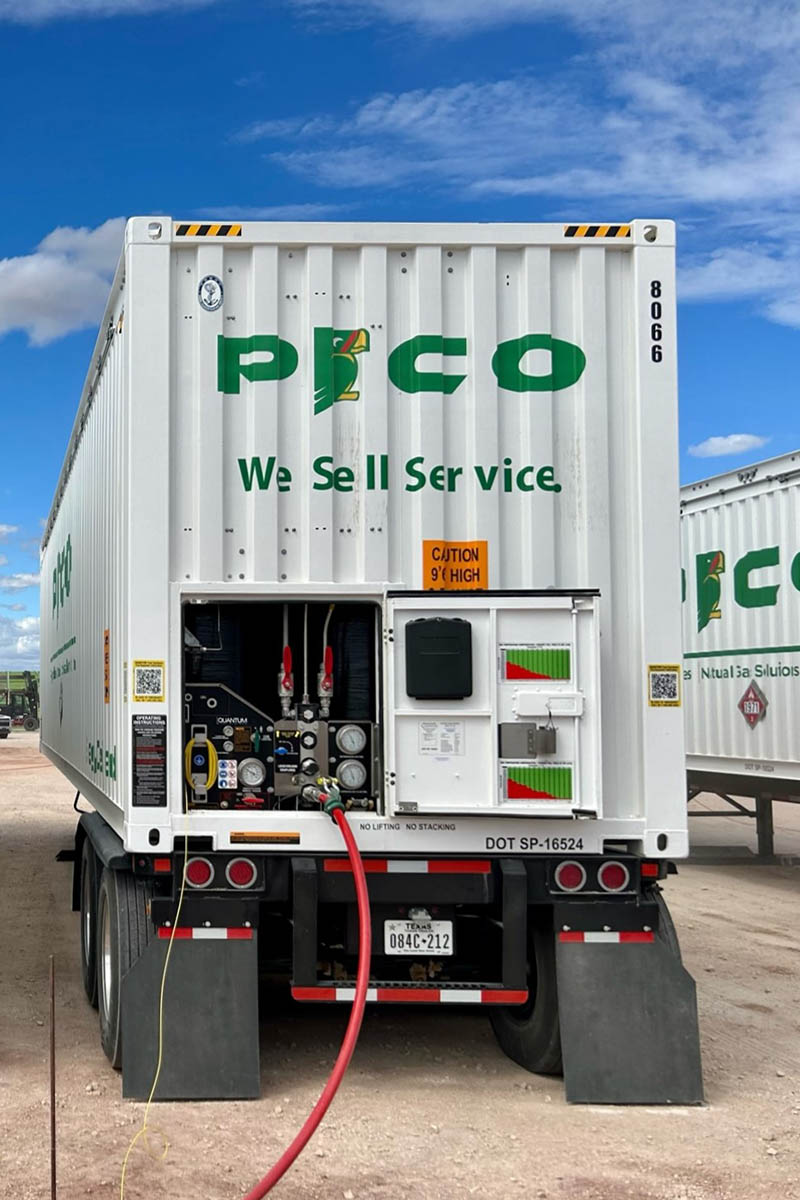
Pico keeps a deep inventory of fuel storage and modular equipment, including propane tanks, diesel skids, and portable CNG and LNG delivery systems. Our CNG and LNG fleet carries pressure-reduction systems and modular trailers that act as a virtual pipeline, supplying gas reliably to your site whether or not permanent pipeline access exists. From supply points across the Permian Basin and a national network of regional hubs, we reach data center sites anywhere in the country. For our full CNG and LNG footprint, including every basin we serve, and how these services work in detail, see our Natural Gas Solutions page.
These assets let us stage fuel on-site fast for temporary power, bridge power, and phased energization. Whether the job is a smaller commissioning project or a multi-MW hyperscale deployment, our modular equipment and nationwide network keep fuel available while your generator partners handle the equipment.
Fuel-First Bridge Power Solutions for Multi-MW Data Centers
Most data center projects build first and power second, with temporary power coordinated between generator providers and fuel suppliers. Pico is the fuel half of that equation, and we make bridge power logistics seamless. We coordinate closely with your generator partners to supply propane, diesel, CNG, and LNG through commissioning, bridge power, and delayed grid connection.
We are the 17th largest retail propane company in the United States, supplying millions of gallons a year, with a national network and the scale to support multi-MW temporary power anywhere in the country.
By owning fuel logistics and coordination, we give you a practical answer to interconnection delays that supports:
- Temporary bridge power
- Early operations power
- Staged load ramping
- Phased expansion for hyperscale campuses
- Traditional cloud and AI data center power
You get speed, flexibility, and cost efficiency, without taking on generator ownership.
Real-Time Fuel
Monitoring and Telemetry
Every fuel asset we deploy is monitored in real time, so you always know your fuel levels, usage, and operational status. A secure dashboard tracks deliveries, consumption, and system alerts, which lets you manage critical loads proactively instead of reacting to surprises.
This visibility holds through commissioning, staged load ramping, and bridge power, and it exists for one reason: so fuel never becomes the bottleneck during a critical time-to-power window.
Fuel Redundancy for
Data Center Onsite Power
Our bridge power model is built on multi-fuel resilience. We can run propane, diesel, CNG, and LNG in coordinated deployments, so if one supply tightens, another keeps your load served. A single-fuel provider cannot offer that.
For mission-critical sites, that redundancy is the difference between staying online and losing momentum during a delayed interconnection or a supply disruption.

Bridge Power for Data Centers FAQs
Bridge power moves fast, and the fuel side raises real questions about supply, scale, and reliability. Here are straight answers to what data center and project teams ask us most.
Next Steps
If your data center or industrial facility is facing utility interconnection delays, substation constraints, or a time-sensitive commissioning window, Pico can reduce your time-to-power with a flexible, fuel-first bridge power program built around:
- Commissioning
- Temporary bridge power
- Early operations
- Staged load ramping
- Phased expansion
- Critical load continuity
Reach out to discuss your project and schedule a site assessment. Our team will build a fuel plan around your operational requirements and run a complimentary, unbiased cost-savings analysis at no charge, so you can make the most informed decision. Contact our team to discuss your project.

Summary
Pico delivers reliable, fuel-first bridge power for data centers and industrial facilities during utility interconnection delays. Our propane, CNG, LNG, and diesel logistics, national network, modular deployment, real-time telemetry, and multi-fuel redundancy keep you operating through commissioning, early energization, and temporary power.
When utility service is delayed, we give you a practical path to faster time-to-power, with fuel logistics built for critical loads, phased deployment, and resilient operations.