
Generator Maintenance 101
Essential Tasks to Extend Lifespan of Your Backup Power System
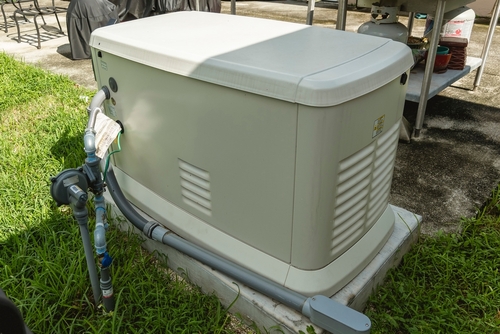 Here in Texas, a summer thunderstorm, a coastal hurricane, or winter ice and snow are equally likely to bring down lines and knock out electricity, leaving you without power for days. And wetter storms mean flooding can affect power, too. It’s more important than ever to be prepared. That’s why it’s important to give your generator regular maintenance. What that maintenance entails—and how often you need to perform it—depends on what type of generator you’re using.
Caring for Your Standby Generator
If you’ve invested in a propane-powered standby generator, most manufacturers recommend performing a tune-up every two to four years, or after every 200 to 400 hours of use. Always follow the manufacturers’ instructions for your generator. The typical steps for a backup generator include:
- Inspect for water intrusion – Make sure that any water sources such as rain gutters and sprinklers drain away from the generator, and that no water pools in or near it.
- Inspect battery – Check battery posts and cables for tightness and corrosion. Tighten and clean them as necessary.
- Inspect for corrosion – Examine all metal components, including the base frame, brackets, alternator can, the entire fuel system (inside and outside of the generator), and fastener locations for signs of corrosion. If you live within 100 miles of the coast, your equipment can be more prone to corrosion.
- Change oil and oil filter – Follow instructions for your unit.
Not sure about the last time you changed the oil, cleaned the filters and spark plugs, or checked battery levels? Put that at the top of your to-do list.
You also want to make sure small animals haven’t created a nest underneath the unit. (Ask your dealer about installing a barrier to help prevent critters from moving in.) A confident DIY-er can handle most of the tasks, but you may want to call a pro. The team at Pico is always happy to assist.
Caring for Your Portable Generator
A portable generator requires more frequent attention. You should change the oil and change the spark plug every year, or after every 100 hours of use. For every 200 hours of operation, you should clean or change the air filters, and you need to check the oil level before each use.
Never store a portable generator with fuel in it. Over time, the fuel can thicken and clog valves and fuel lines. To drain the tank, start the generator, and let it run to flush out leftover fuel in the carburetor.
Benefits of Generator Maintenance
Losing power for a couple hours is annoying, but an outage lasting much longer starts to be expensive, and even dangerous. The number one benefit to taking care of your generator, whether it’s a small portable unit or a full size standby generator, is the peace of mind you get knowing it will be ready to go when you need it. But there are other reasons to practice regular maintenance.
Routine maintenance can help extend the lifespan of your generator, and reduce the need for repairs. It will also improve efficiency. That translates into more consistent power output, and reduced fuel consumption, which can be crucial during extended outages.
Contact us today for more information about how a generator can help protect your home—and even help lower your insurance costs!