
Generator Essentials: Preparing for Storm Season
Stay Safe this Hurricane Season with Help from Pico
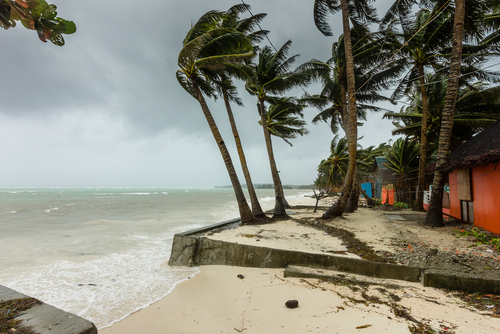 The 2024 Atlantic hurricane season is off to a good start, with early-season record breakers already in the books. South Florida is regularly within the “cone of probability” for tropical storms and hurricanes, but, it doesn’t take a the biggest storm to down lines and knock out electricity, leaving you without power for days. Getting slammed by another storm like Ian is not an “if” scenario, but a “when” scenario and it’s more important than ever to be prepared. One of the best ways to protect your home and property is with a backup generator or standby propane generator that comes on within seconds of a power failure to keep your lights on and your refrigerator, furnace and a/c running until the utilities get the lines back up.
A standby propane generator will keep security systems on as well—giving you peace of mind, especially if the power fails while you’re away.
Propane Generator Pros and Cons
There are a lot of “pros” to propane generators: They are quiet, extremely efficient, and clean-burning, with low emissions. They are also less expensive (and less stinky) to run than gas-powered portable options—which won’t run your whole home, either. (Just keeping a portable generator full of gas during an extended outage will get expensive quickly, not to mention potentially having to wait on long lines for more fuel.)
The only downside to a backup generator is that it costs a bit more than a portable gas-fueled generator. But, when you do the math, the investment usually makes sense compared to dealing with the expense (and hassle) of a power outage—especially if your neighborhood is prone to them. By keeping even just your essential systems running, a standby generator can help you avoid the cost of replacing spoiled food, or the cost of a hotel room—if you can find one.
Another thing: According to Consumer Reports, a properly installed whole-house generator can increase the value of your home by as much as 5%. That’s a great return on your investment, before you ever need to use it.
Size Matters
There are a wide variety of size options, from “essential power” models that will run key equipment such as your refrigerator, heat and lights, to true whole-house generators that can manage the demands of most extra-large homes, even during extended outages. Talk to one of the pros on the Pico team: We will help determine the best size generator for your home and needs. Here are some key points to consider:
- How much power do you need to keep your home safe and comfortable? (You may not feel the need to power your whole house in emergencies.)
- Does anyone in your home require power for medical equipment?
- How big is your home?
- Do you want to be able to heat or cool your whole home, or just specific areas?
- What size is your propane storage tank? An average 5000-watt whole-house generator will run for one to two days on a 100-gallon tank. A 500-gallon tank would keep the same generator running for 7 to 10 days. Most homes have storage tanks that are between 100 and 500 gallons.
- Typical 5,000-watt whole-house generators use about two gallons of propane per hour. The most powerful, 9000-watt generators use three gallons per hour.
We also offer portable propane generators that run off smaller propane cylinders, like those for grill tanks. It’s a great option for basic needs versus the hassle, smell and noise of a gas generator.
One of the key benefits of a propane backup generator is that you have the fuel to run it already. Plus, there’s no need to wrestle a portable generator out of the garage and get it set up and started, while messing with fuel, possibly in the dark or in treacherous conditions.
Have questions about how a whole-house generator can provide peace of mind through hurricane season and beyond? We sell and install generators from Kohler and Generac, and portable propane generators from Firman: Stop by our showroom or contact us any time. We’re here to help!