
Do Cold Temperatures Affect Propane?
How to Protect Propane Equipment From Winter Weather
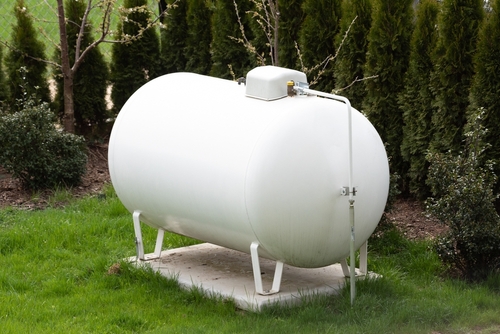 “Winter” in Miami typically means lows in the 60s. But in the last decade alone, we’ve experienced lows in the 40s every winter. Fortunately, while it can be uncomfortable, those dips are not low enough or last long enough to cause major problems like frozen pipes. But if you have an above-ground propane tank, you might be wondering if your propane supply can freeze or gel when temperatures plummet.
The good news is that the freezing point for propane is -44°F. Suffice it to say, you don’t need to worry about your propane freezing in Miami. Nevertheless, extended cold weather can still cause problems for the propane in your tank.
Propane and Cold Temps
Like most substances, propane contracts in cold temperatures. When it’s extremely cold outside, the volume of propane inside your aboveground propane tank will shrink, and if it shrinks enough, it will result in a loss of pressure. When the pressure becomes too low, the propane inside your tank will not be able to reach your gas burner. That means you may not be able to run your propane appliances.
The good news is that it’s easy to prevent this.
How to Avoid Low-Pressure Problems
The best way to prevent pressure problems in your propane tank is to keep your tank at least 30% full. The more propane is in your tank, the more positive pressure there will be. When the forecast is predicting a stretch of low temps, check the gauge on your tank, and call us for a propane delivery. Or, sign up for our convenient automatic delivery service. We factor the weather into our deliveries, so we’ll make sure you never run low.
If you have an underground tank, you will likely not experience any problems related to cold temperatures. The ground will insulate your tank, preventing any changes in pressure.
What About Other Equipment?
While smaller, portable propane tanks—like you may use with a firepit, patio heater, or grill—might be more prone to the pressure problems associated with cold temperatures, if the tanks are full or near full you should have no problems if you want to use them. And cold temperatures alone will not affect any of your outdoor propane equipment. Waterproof covers are a good way to protect these items from rain, which can lead to rust, and would provide sufficient protection in the unlikely event of freezing rain in our area.
Never keep portable propane tanks indoors—even in a garage or shed. Cylinders should always be kept in an open, well-ventilated, space, ideally out of the direct sun and at least 10 feet from your home.
Propane Safety
While temperatures that can result in low-pressure problems are rare, it’s important to know the signs of a propane leak. Leaking propane smells like rotten eggs, skunk or dead animal.
Make sure everyone in your home can recognize the odor. If you smell gas:
- Leave the area immediately
- Avoid all flames or sparks—including lights, appliances, phones or cell phones—which could ignite the gas and trigger an explosion
- If you can, shut off the gas at the main valve on your tank—turn the valve clockwise
- Call us, or 911 from a safe area.
- Stay away until help arrives
Safety First
Your safety is important to us! All Pico’s technicians are trained and certified to provide safe propane delivery and equipment installation and services. If you have any questions about this information or any other propane safety issues, contact us!